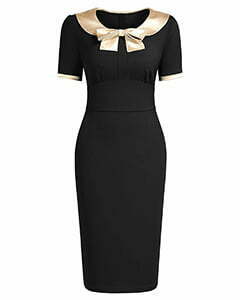
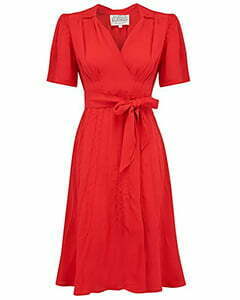
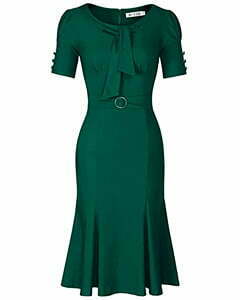
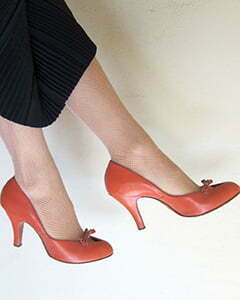
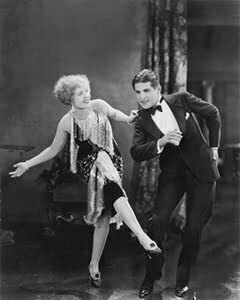
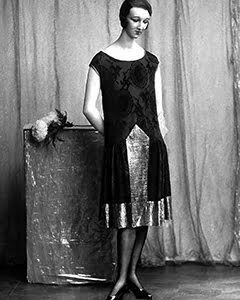
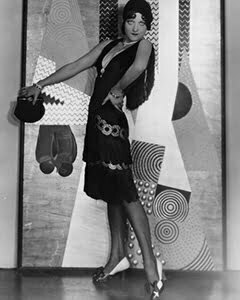
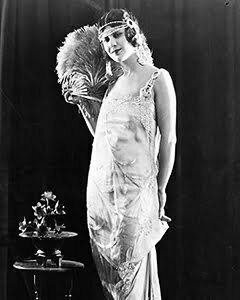
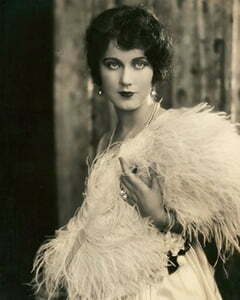
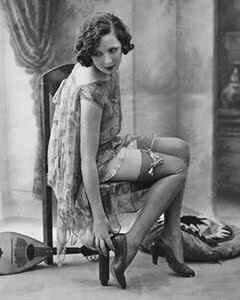
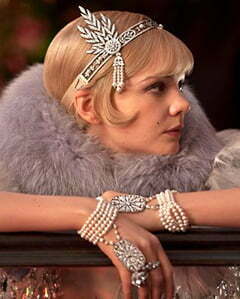
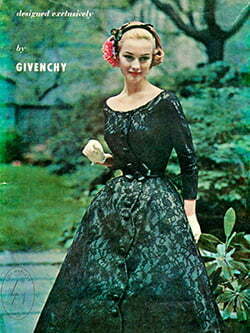
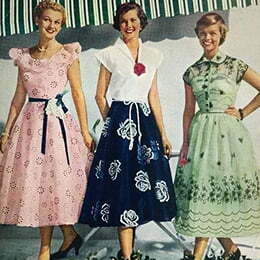
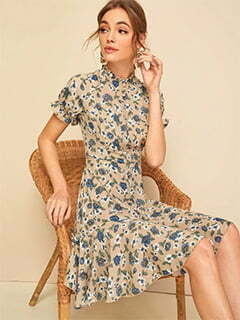
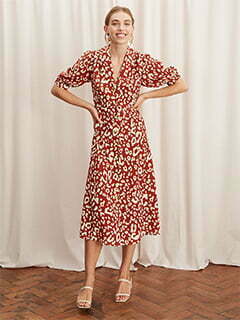
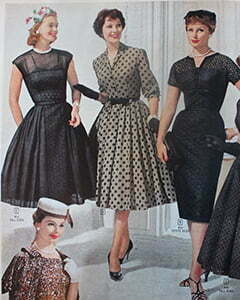
 A worthy summer style of the 60s was the swing dress style. It fitted well into the season as daytime outfits, party and evening wear. As the name implies, the skirts of the dress style were full swinging skirts while the bodice was usually well fitted. Necklines were usually very high with round necks and boat neck styles being the most popular. The sophisticated 60s summer fashion had knee-length as the most regular length. They were sometimes sleeveless and at other times had short sleeves. A 60s swing dress is a wonderful choice for the summer season especially for those special occasions you might want to attend during the season.
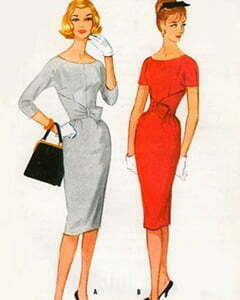 The sheath dress was one 60s style that made the summer fashion atmosphere glow. It was a short dress that had an A-line silhouette. They made the women look so simple but so chic. The 60s trend of sheath dresses saw sheath dresses without waistlines and that was straight down. Most sheath dresses then were made with peter pan collars on them and large bows which served as a beautiful front design. The comfortable dress style also came in a full rainbow of bright colors. They were mostly worn around the home and to the beach or informal hangouts. I hope you are convinced you’ll need a sheath dress for the summer.
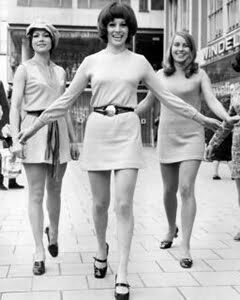 The summer season of the 60s wouldn’t have been complete without the outburst of this trend. The style in which the designer, Mary Quant, invented during the decade was probably the favorite and certainly the most used. They featured short dresses that were about 4-6 inches above the knee. The mini dress style had skirts of diverse styles. The very short skirts could be pleated, A-line, or straight based on what the wearer preferred. It was well adapted by the women and
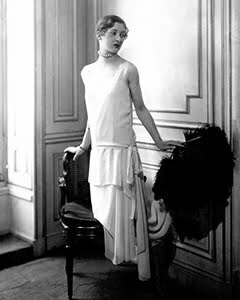
 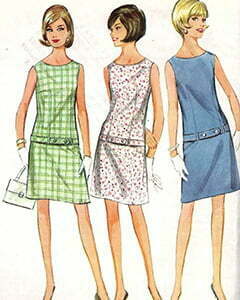 To be called a classic and fashionable woman of the 60s, a drop waist dress was a must-have during summer. The drop waist dress style featured a drop of the dress’ waist to the hips. Of course, they followed the general trend of the decade and were usually very short. The style was suitable for diverse age-grades including the mature women and the young ladies of the decade. It was a well-tailored style and was seen on the streets, in parties, and as everyday outfits. A gathered or pleated skirt below the drop waist was elegant. The feel which the drop waist dress gives during summer is one that leaves you comfortable and stylish at all times.


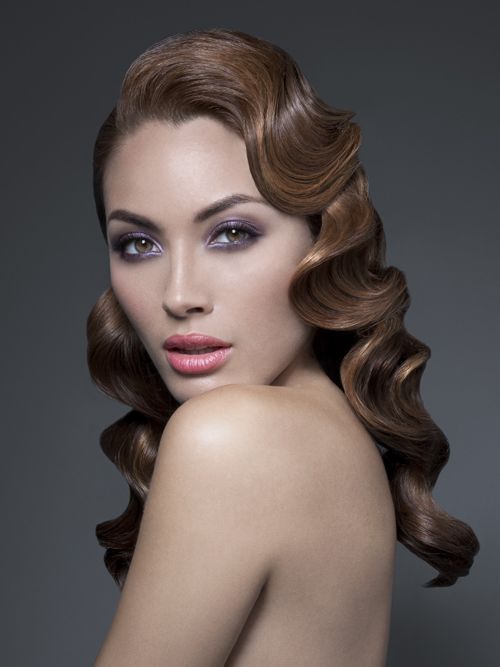
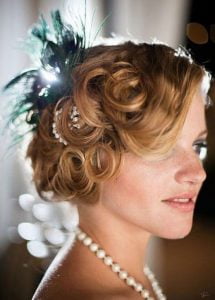 A fabulous style of the 20s for long hair was the curly updo. The 1920s hairstyle which could serve as a casual or special event style was great at uplifting the feminine beauty of the 20s women. The soft curl was usually worn with a beautiful headband. Get yourself looking all amazing with this hairdo of the 20s. To look more trendy, you can introduce colors.
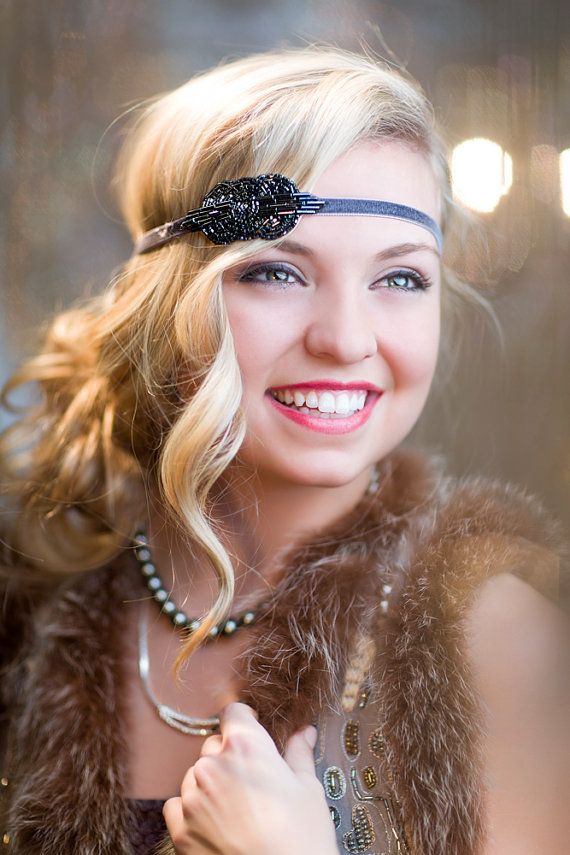 LONG HAIR WITH HEADBAND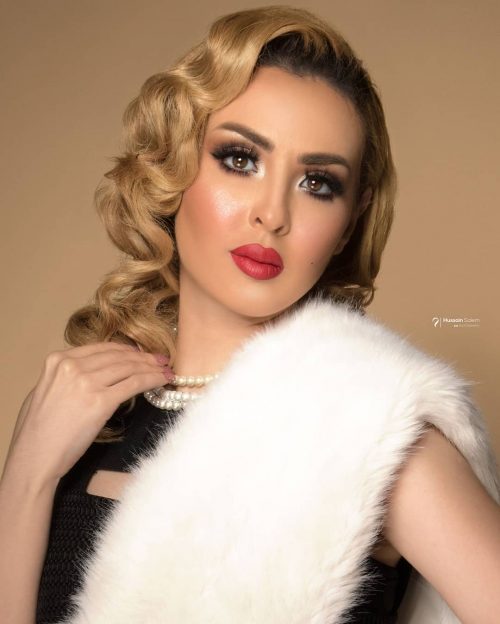
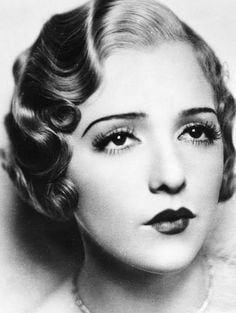
Women in pants were not a common sight in the 40s outside of factories. Pants were seen as too masculine but as more women stepped into men’s jobs in the factories, this began to change. Pants were more practical for women and safer than skirts. More women began wearing pants off the job emboldening other stay-at-home moms to experiment with pants.
Young women started wearing wide-legged which were very similar to men’s pants. The waistband was at the natural waistline. The legs dropped in a straight line to the hem making the slacks appear loose and unflattering to the wearer’s form. The legs were pressed in a single crease running down the front. The hems were uncuffed. These slacks had big pockets for holding tools or other small objects.
These slacks were made of tough fabric denim, gabardine, and corduroy. The colors were work-friendly; black, grey, brown, and blue. Some designs had stripes and checks. Buttons were fixed at the sides instead of the front which was seen as too masculine.
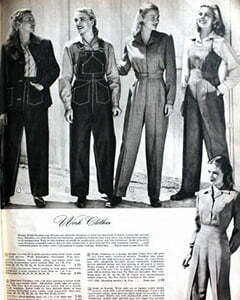
Women’s pants design gradually became more feminine. The crotch was placed low, up to 4 inches in depth. The hips became wider and baggy. Postwar designs used pleats in front and darts in the back to give some shape to the hip area. In-seam pockets added to the fullness in the hips. The leg was tapered, different from straight-leg designs of the following decades. The trouser leg was short, but some women were their trousers long and rolled up the hems. A vertical crease at the front put some shape into the leg.
One peculiar women pants design in the early 40s women’s fashion was the jumpsuit, also called the ‘siren suit.’ These were commonly worn by women in Europe where air raids were common during the war. This light cotton or soft flannel suit. It was designed for easy wearing when the raid siren sounded, hence the name. It had a zipper in the front and cuffed ankles. It also had an attached hood for covering the hair such that there was no fussing around. Some designs came with a coat and a hood for warmth and comfort in cold weather.
BLUE JEANS
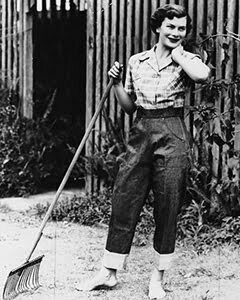
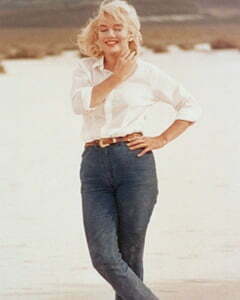
The most popular work pants for women were blue jeans. Women wore them in factories as well as farms. Women’s jeans had narrower legs, and later designs had curved hips. Teenage girls wore led the way in wearing jeans as casual wear before older women picked up the trend. Blue jeans were worn with button-down shirts, peasant tops, or sweater tops. Cowgirl entertainers also helped popularize blue jeans, which they wore with western-style shirts. The biggest brands for women jeans were Lee and Levi. Wrangler entered the market in 1948 with a trendy collection featuring a front zipper, which became an instant hit and put the zipper in front since then.
Women in factories also wore denim overall that were alternatively called pinafore style pants. They were suspended with shoulder straps, with a bib in front and large slit pockets to hold assorted work tools. Overalls design did not change much from the men’s design that had been used since the 1930s. Overalls were exclusively made from heavy denim, but postwar overalls were made from softer fabric.
Overalls were worn with a button-up top or t-shirt underneath. Teenagers also wore overalls fashionably without shirts in warmer weather. But the appropriate overalls for wearing in this style were pinafore style with a large bib covering the chest area such that only the arms and shoulders were exposed.
Fabrics other than denim began to be used for women’s overalls in the late 40s. The most commonly used were cotton twill and chambray, and synthetic blends.
PANTSUITS
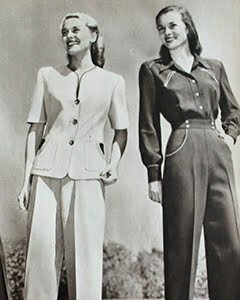
Slacks became more feminine and more women began wearing them with a blouse top as smart casual wear. The blouse top was tucked in the pants with a cardigan or pullover on top in cold weather. Young ladies took to wearing pants with tight-fitting sweaters. Pants could also be worn with a polo shirt for a sports event. As it became more acceptable for women to wear pants, women started matching them with button-up shirts to make smart pantsuits. These were the predecessors of women’s suits in later years.
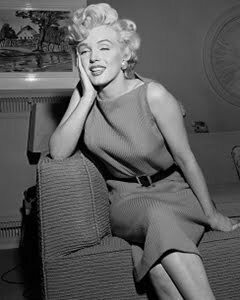
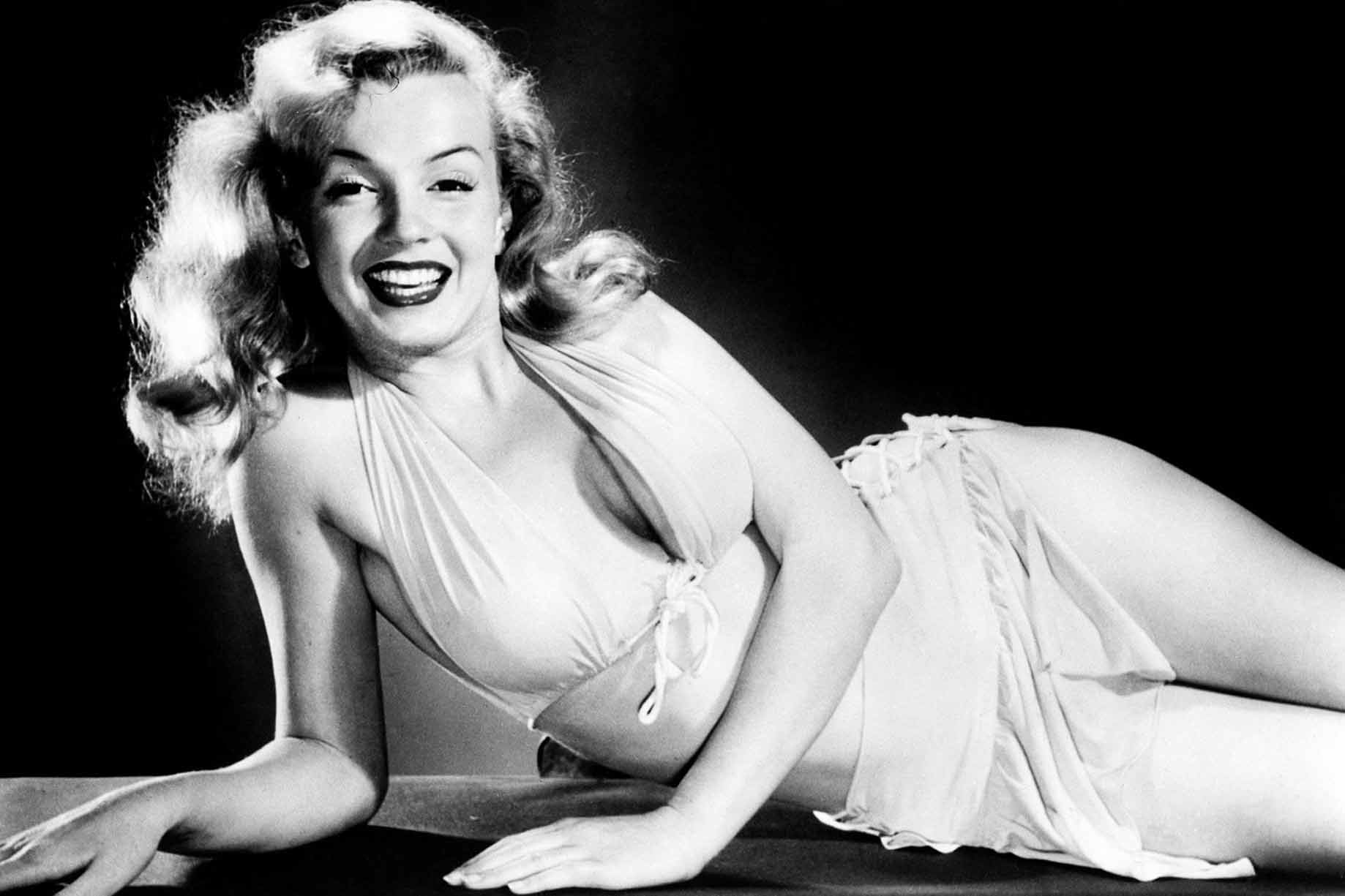 Marilyn Monroe is a big name not only in the film industry but in the fashion industry as well. She has served us looks that continue to influence the fashion industry even today. A blonde bombshell and a true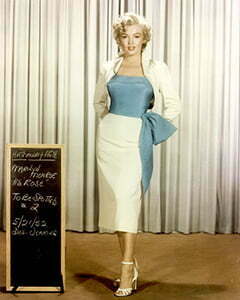
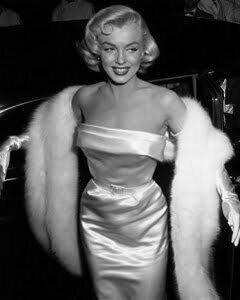
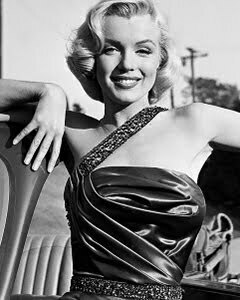
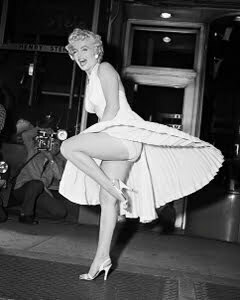
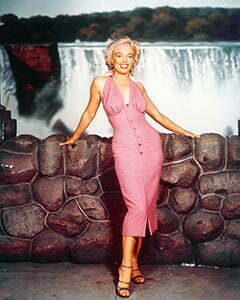
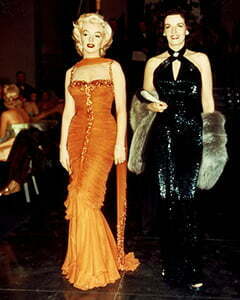
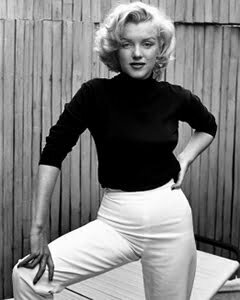
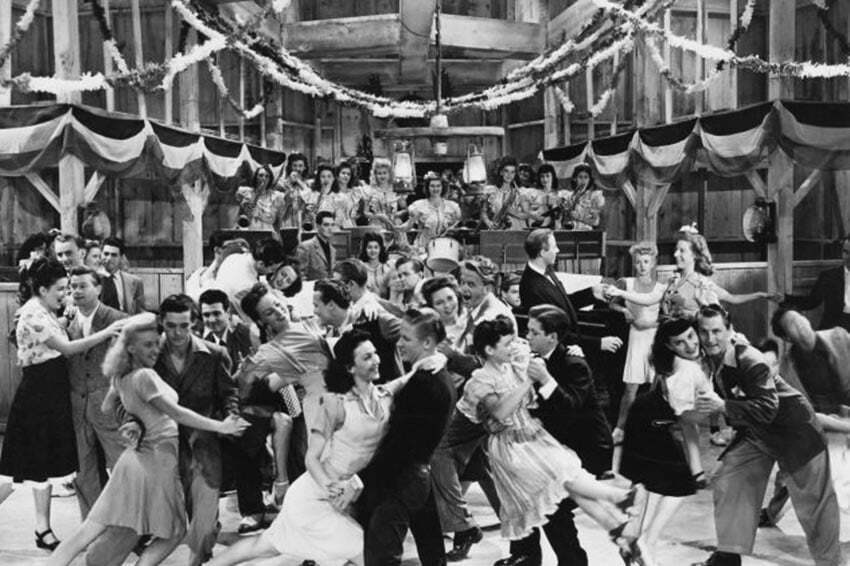 The time of the 1940s was the time of extreme elegance combined with style and perfection. During this time, people were giving special attention to their looks and strived for perfection in every aspect of fashion hence, the beauty and marvelous looks of the people we see today and can’t stop admiring. Following the style of amazing people of that time and copying their fashion statements can be challenging if you don’t have appropriate accessories. And, if you are going to a 1940s party, it is important that you put on all the right things and win the spotlight. Below, there is a list of all the things that you should wear for a 1940s party.